


山地光伏支架系统
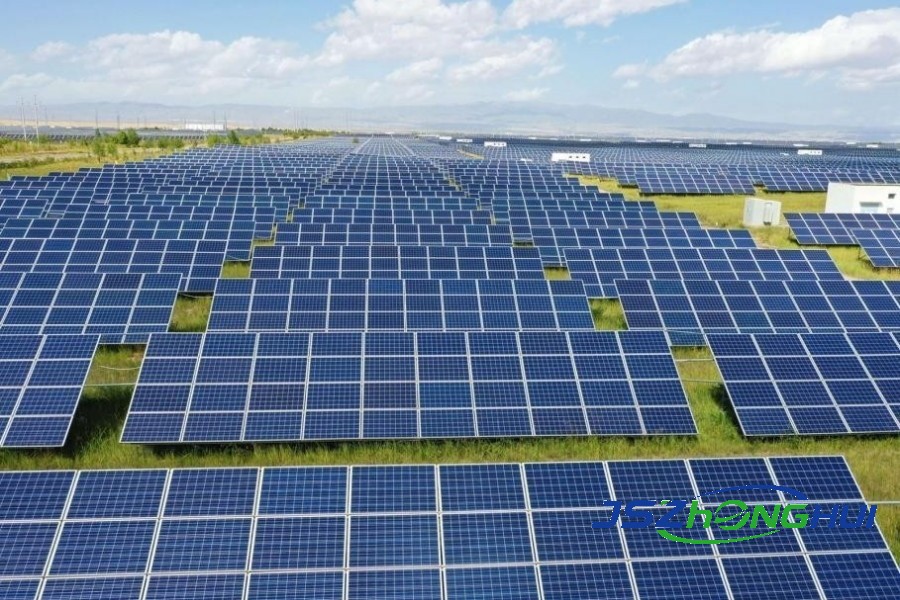
山地光伏支架系统是针对丘陵、山区等复杂地形开发的专业光伏安装解决方案。系统采用“双立柱+斜梁+导轨”的框架结构,立柱与基础通过预埋套筒或地脚螺栓连接,具备高度可调节功能,能适应不同坡度的起伏地形。根据地形坡度,可采用固定支架(坡度10°~20°)、平单轴跟踪支架(坡度≤10°)或柔性支架(坡度20°以上)等不同方案。
核心参数:
参数 | 数值 |
材质 | 铝合金6063-T5/热镀锌钢 |
抗风荷载 | 50m/s |
雪荷载 | 1.5kN/m2 |
设计寿命 | 25年 |
质保 | 10年 |
核心优势:
地形适应性强:前后双立柱设计,立柱高度可调,可适应坡度起伏;同一阵列在不做场平的情况下可包容一定高差,大幅降低场地平整成本;
结构稳固可靠:针对山地局部阵风特点进行专项结构荷载设计,确保支架安全性;
基础形式灵活:支持微孔灌注桩基础(直径100~250mm),减少对地质的破坏,防止沉降;
安装便捷高效:支架在工厂预装,现场安装快速;立柱与底座套接,横梁与主梁采用可调节节点,便于现场施工;
发电量提升:坡度≤10°区域可采用平单轴跟踪支架,较固定支架提高15%~20%发电量。
适用场景:适用于各类山地、丘陵、荒坡等复杂地形的集中式光伏项目,覆盖缓坡(≤10°)可采用跟踪支架,中坡(10°~20°)采用固定支架,陡坡(20°以上)采用柔性支架。
Mountainous PV Mounting System
The mountainous PV mounting system is a professional PV installation solution developed for complex terrain such as hills and mountainous areas. The system adopts a "double post + inclined beam + rail" frame structure; the posts are connected to the foundation via embedded sleeves or anchor bolts and are height-adjustable, adapting to undulating terrain of different slopes. Depending on the terrain slope, different solutions can be used: fixed mounting systems (slope 10°–20°), single-axis trackers (slope ≤10°) or flexible mounting systems (slope above 20°).
Core Parameters:
Parameter | Value |
Material | Aluminium alloy 6063-T5/Hot-dip galvanised steel |
Wind load resistance | 50 m/s |
Snow load | 1.5 kN/m² |
Design life | 25 years |
Warranty | 10 years |
Core Advantages:
Strong terrain adaptability: the front and rear double-post design with adjustable post height adapts to undulating slopes; the same array can accommodate a certain height difference without site levelling, greatly reducing levelling costs;
Stable and reliable structure: special structural load design targeting localised gusts in mountainous areas ensures mounting safety;
Flexible foundation types: supports micro-bore cast-in-place pile foundations (diameter 100–250 mm), reducing geological disturbance and preventing settlement;
Easy and efficient installation: brackets are pre-assembled at the factory for fast on-site installation; posts socket into bases and crossbeams connect to main beams with adjustable joints, facilitating on-site construction;
Increased power generation: in areas with a slope ≤10°, single-axis trackers can increase power generation by 15%–20% compared with fixed mounting systems
Application Scenarios: suitable for utility-scale PV projects on complex terrain such as mountains, hills and barren slopes, covering:gentle slopes (≤10°) can use trackers, medium slopes (10°–20°) use fixed mounting systems, and steep slopes (above 20°) use flexible mounting systems.